AN OPEN EXPLORATION • An exploration by Scott Belknap
homeschool2.0EDUCATION & THE LIFE AROUND IT

A QUESTION WORTH BUILDING A LIFE AROUND

What if learning
well meant
living more?

I want my kids to be capable, curious, and ambitious—and to have a childhood we’re glad we spent together.

Homeschool 2.0 is my exploration of how a serious education and a family life worth living can fit together. I’m trying things, asking questions, and sharing what we learn.

Explore the idea

Scott Belknap Dad. Homeschooler. Still figuring it out.

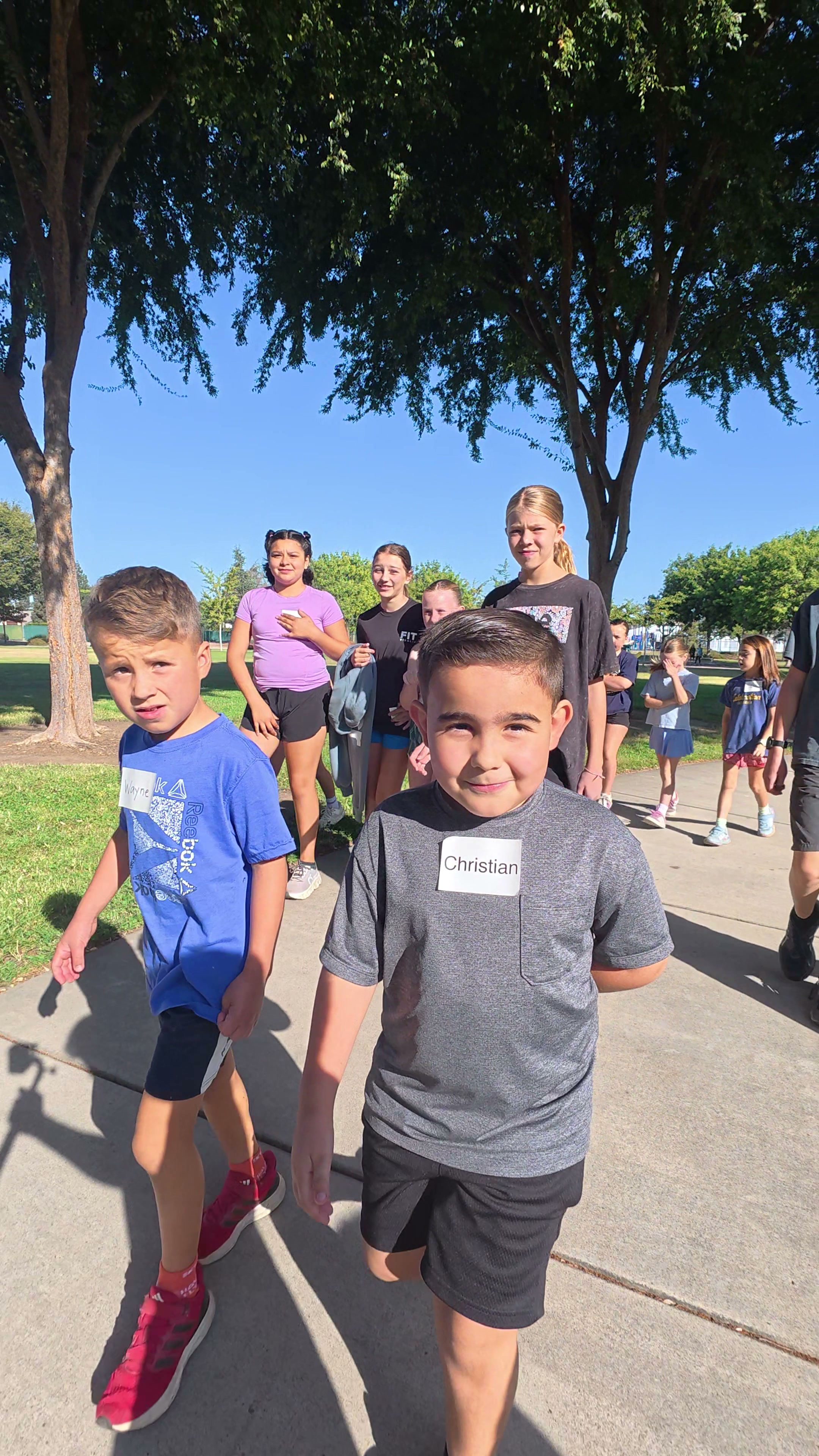
Children walking together on a tree-lined park path during a Fit Visalia outing
More time
side by side.
From the Fit Visalia outdoor archive.
Real moments that inform the questions here.
01   Learn deeply02   Move daily03   Choose connection04   Leave room to wonder

THE IDEA / NOT A FINISHED SYSTEM

A better education.
A life we want
to be present for.

Powerful learning tools already exist. The harder question is how to make them work in a real family’s day.

I care about reading, writing, mathematical thinking, and the ability to stick with something difficult. I also care about friendship, physical confidence, practical skills, and the conversations we have when nobody is rushing.

“2.0” means being willing to rethink the arrangement. It doesn’t mean caring less about education, or having a complete replacement figured out. Families choosing school care deeply, too. I’m exploring what works for ours—and what other families might need.

The ambition: children who can think, do, contribute, and keep learning.
START WITH A LONG WALK

Less coming in.
More room to think.

Long walks are central to the life I’m trying to build with my children.

Less stimulation. Time for a thought to become their own. Unhurried conversation that doesn’t need to arrive at an answer. Sometimes we talk; sometimes we just walk.

I don’t want every moment turned into a lesson. Being together without filling the silence matters in its own right.

Open the walking question

BUILDING AROUND THE CHILD

More than a screen.
More than a schedule.

Useful tools belong inside a full life.
They don’t replace one.

01 / LEARNING

Tools with a purpose.

My kids use Synthesis and follow interests through sources including YouTube. Those are personal examples—not endorsements, affiliations, or evidence of guaranteed results.

The question I want to keep asking: what can they explain, make, or do with what they’ve explored?

02 / FOUNDATIONS

Depth still matters.

Reading, writing, focused practice, and conversation belong alongside technology. Individual interests can open a door; they don’t automatically cover everything a child needs.

I want to notice both growing strengths and the gaps that deserve attention.

03 / REAL LIFE

A bigger world to learn in.

Movement, family adventures, practical experiences, and everyday discoveries give learning somewhere to go.

I want my children to try challenging things, take increasing responsibility, and become capable through experience.

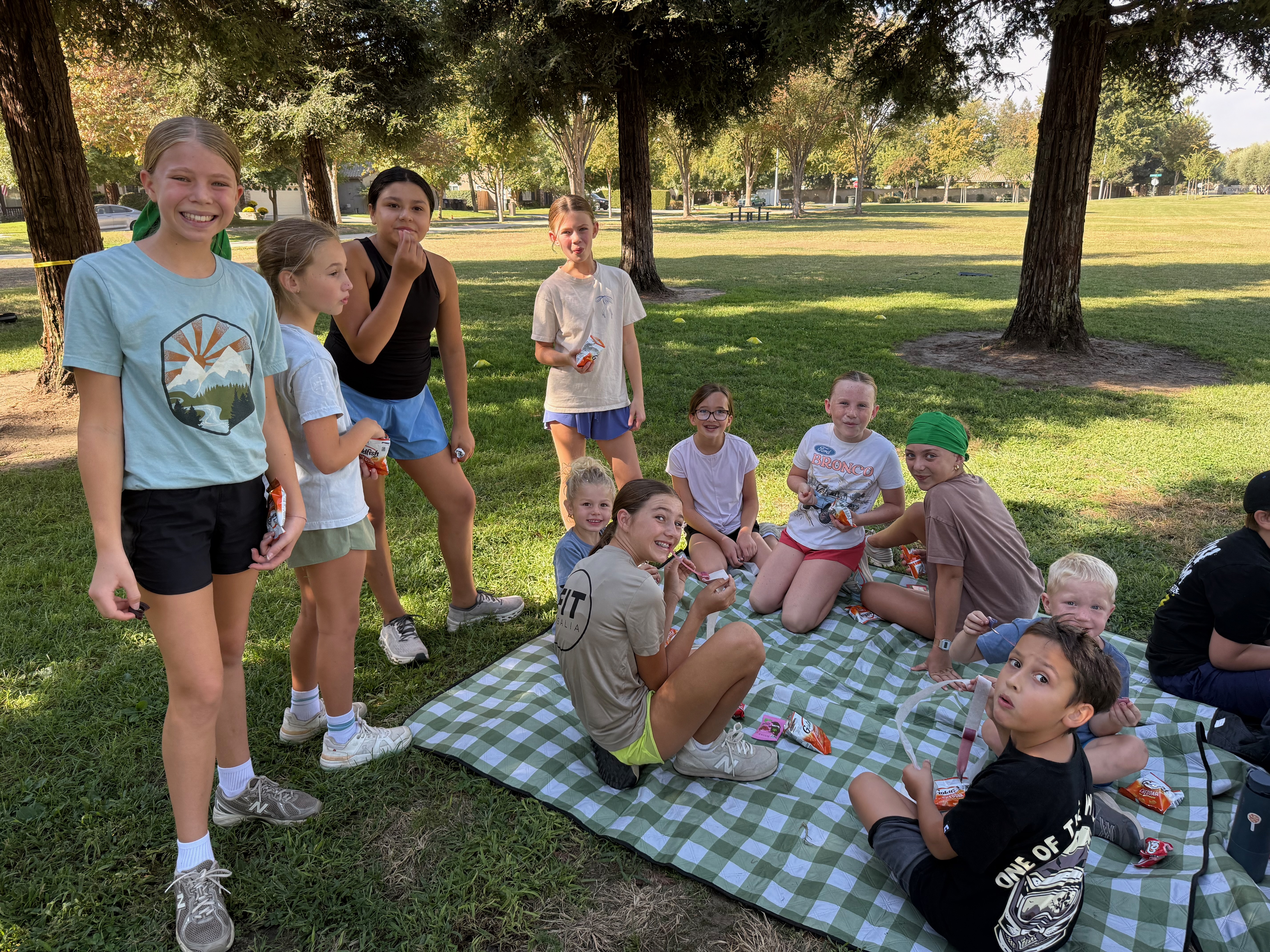
Children of different ages spending time together on a blanket under trees at Fit Visalia
A gathering from the Fit Visalia archive, not a Homeschool 2.0 class.

THE PEOPLE AROUND THEM MATTER

Friendship deserves
deliberate time.

I value having a say in my children’s social environment: who they spend time with, how relationships grow, and whether those relationships have room to last.

That includes strong friendships and relationships with people beyond their own age group. It takes repeated time together, practical coordination, and adults who make space for it.

Freedom in the calendar is only useful if we do something meaningful with it.

THE QUESTIONS WE CAN’T SKIP

Real families.
Real constraints.

I don’t want to make this look easier than it is.
These are design problems, not parental failures.

How does this fit around a job?

Flexible learning does not create extra hours, childcare, or income. Families need a workable plan for supervision and work before an appealing idea becomes a realistic option. I don’t have a universal answer to that.

What about being together all day?

Time together can be valuable and demanding. Parents need space, children need some independence, and everyone has limits. A useful model has to make room for support, boundaries, and days that don’t go to plan.

What if I don’t know how to teach it?

Learning tools can help, but choosing a resource is only part of the work. We still need to understand whether a child is learning, when they are stuck, and when help from someone else would be useful.

How do we build lasting friendships?

A single outing is not a social life. Consistent people, shared interests, travel time, and availability all matter. I want to explore arrangements families can actually sustain, without pretending community will organize itself.

How do we notice gaps in their education?

Following curiosity does not remove the responsibility to look carefully at progress. What can a child read, write, reason through, and explain? What needs practice or outside guidance? I want evidence of learning, not just a busy day.

THE OPEN NOTEBOOK

Questions to explore.
Room for what comes next.

Starting notes, not reported experiment results.
Future stories will live here as we have them.

Showing all 4 notes.

WALKS / STARTING QUESTION

What happens when we leave some silence?

A walk without a stream of entertainment—or a lesson plan.

Read the starting note

I value walks because they leave room for independent thought and conversation. I’m interested in what changes when there’s less coming in and no pressure to keep talking.

An experiment to consider: choose a familiar walk, put the entertainment away, and let the conversation find its own pace. Afterwards, notice whether the space felt welcome, awkward, or different for each child.

This is a proposed observation, not a claim about a measured outcome.

LEARNING TOOLS / STARTING QUESTION

From watching to understanding.

How do we tell when an interest is becoming knowledge?

Read the starting note

YouTube is one of the places my children follow their interests. I don’t want viewing time alone to stand in for understanding.

A conversation to try: “Can you show me what you found interesting?” It could lead to an explanation, a drawing, a build, another source, or a better question. It doesn’t need to turn every video into homework.

I’m still exploring how to balance freedom, source quality, and follow-through.

CONVERSATIONS / STARTING QUESTION

Who do we want more time with?

Making relationships part of the plan, not an afterthought.

Read the starting note

I want strong friendships for my children, and connections beyond a single age group. Choosing an environment means thinking about the people in it, too.

A question for the family: who do we enjoy being around, and what would it take to see them regularly? Include the practical parts: schedules, distance, and whether the other family wants the same thing.

EXPERIMENTS / PLANNING PROMPT

What would a workable week need?

Begin with real constraints before drawing an ideal timetable.

Read the starting note

Start with work hours, supervision, and the commitments that cannot move. Then ask where focused learning, reading, writing, movement, friends, and unstructured time could realistically fit.

Something to examine: which parts depend on one parent having unlimited energy? Those are the parts that need support or a different plan. This is a planning prompt, not a tested schedule or a childcare offer.

A FATHER’S PERSPECTIVE

I’m Scott.
I’m in the middle
of this, too.

I care deeply about what my children can become—and about the life we have together along the way.

Homeschool 2.0 is where I explore the broader model: the tools, relationships, rhythms, and support that could help families learn and live well. I’ll share what we’re trying, be clear about what we’ve actually observed, and leave room to change my mind.

This is an exploration, not an established school, an enrollment offer, or a proven complete system.

THE BROADER EXPLORATION

Homeschool 2.0

How education and family life might work better together.

THE PERSONAL STORY

Dad’s Learning Curve

My own story of learning alongside my children.

THE PHYSICAL ACTIVITY PROGRAM

Fit Visalia

A separate program focused on physical activity. It is not a bundled Homeschool 2.0 service.

A NOTEBOOK, STILL OPEN

Take a question
into your next day.

The next field notes will build on real experiences,
useful tools, and the things we’re still working out.

Return to the notebook

Email updates aren’t available yet. This website doesn’t collect email addresses.